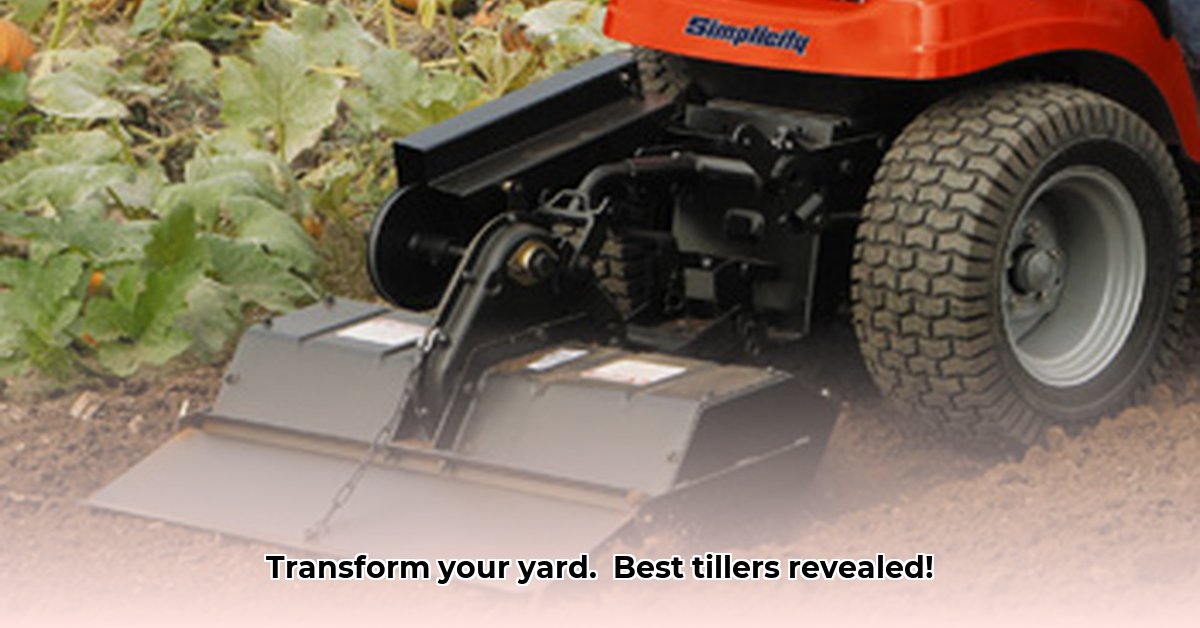
Tired of back-breaking garden preparation? A pull-behind lawn tractor tiller can revolutionize your gardening experience. This comprehensive guide simplifies the process of selecting the perfect tiller for your needs and budget, covering everything from assessing your garden's size and soil type to understanding key specifications and ensuring long-term maintenance. We will help you choose the best tiller for your specific situation. For even more information, check out this helpful tiller guide.
Understanding Your Needs: A Personalized Approach
Before exploring models, honestly assess your gardening situation. How large is your garden (in square feet)? What's your soil type (sandy, clay, rocky, loamy)? And most importantly, what's your budget? These factors are crucial for selecting the appropriately sized and powered tiller. Using a tiller too small for your garden is inefficient, while an oversized tiller for a small garden is wasteful.
A simple sketch of your garden can help visualize its dimensions and aid in determining the necessary tiller width and power. Many online resources offer tools for calculating garden area; many even have calculators that can suggest the right tiller size based on your area.
Consider these questions:
- How much time do you realistically want to spend tilling?
- What type of garden will you be tilling? (vegetable garden, flower beds, etc.)
- Will you need to till in difficult conditions? (rocks, hard-packed soil)
Key Features and Specifications: Decoding the Technicalities
Once your needs are defined, let's dive into the technical aspects. Understanding these specifications will ensure you select a tiller that effectively addresses your gardening challenges.
Engine Horsepower (HP): This represents the tiller's power. More horsepower is needed for heavier soils (clay, rocky) while less horsepower is adequate for lighter soils (sandy, loamy). Think of it as the engine's muscle. A higher HP means faster and more efficient tilling.
Tine Design: Tines are the rotating blades that break up the soil. Different tine types are designed for different soil conditions.
- Chisel Tines: Ideal for hard-packed clay or rocky soil, these powerful tines break up compacted earth effectively.
- Sweep Tines: Better suited for lighter, less compacted soils like sandy or loamy soil. They move soil more gently, and are less likely to damage plants' roots.
- Combination Tines: Many tillers offer a combination of chisel and sweep tines, providing versatility for various soil types.
Working Width: This indicates the width of the tilling path in one pass. A wider working width means faster coverage, but may not be suitable for smaller gardens or areas with obstacles.
Tilling Depth: This adjustable setting determines how deep the tines penetrate the soil. Shallower tilling is suitable for established gardens, while deeper tilling is preferable for preparing new garden beds. This depends on the kind of plants you're growing and their root systems.
Hitch Compatibility: It's vital that the tiller is compatible with your lawn tractor's hitch system. Check the tiller's weight capacity and hitch type to ensure a secure and safe connection. Failure to do so may cause damage to your tractor or the tiller itself, or even result in serious injury.
Example Tiller Specifications: (Note: Specs can vary; always verify with the manufacturer)
| Model | HP | Working Width (in) | Tilling Depth (in) | Typical Tine Type |
|---|---|---|---|---|
| Acme Power Tiller 3000 | 8 | 36 | 6-8 | Chisel |
| Big Dig Tiller 4000 | 12 | 42 | 8-10 | Sweep & Chisel |
| Earth Eater XT5000 | 15 | 48 | 10-12 | Heavy Duty Chisel |
Manufacturer Reliability and Support: A Crucial Factor
Thorough pre-purchase research into the manufacturer's reputation is crucial. Online reviews and ratings from reputable sites provide valuable insights into customer service, parts availability, and warranty terms. A reliable manufacturer stands behind its products, offering prompt assistance with repairs or replacements should issues arise.
Consider this factor just as important as the tiller's technical specifications. A company with poor customer support can leave you stranded with a broken tiller mid-project.
Choosing the Right Tiller for Your Soil: A Tailored Approach
Matching your tiller to your soil type is essential for optimal performance.
Clay Soil: Requires a powerful tiller with strong chisel tines to effectively break through compaction. A higher horsepower engine is generally recommended.
Sandy Soil: Can be tilled with a less powerful tiller; a wider working width can improve efficiency.
Rocky Soil: Demands a robust tiller with heavy-duty tines capable of withstanding impacts from rocks. Consider a tiller with a higher HP rating to prevent damage to the machine.
Loamy Soil: Easier to till, allowing for more flexibility in tiller selection.
Safety and Maintenance: Prioritizing Safe and Efficient Operation
Safety should always be the top priority. Always refer to the owner's manual before operating the tiller. Wear appropriate safety gear, including safety glasses and sturdy closed-toe shoes. Never reach into the spinning tines. Maintain a safe distance while operating the equipment, and keep children and pets away.
Regular maintenance is key to extending the life of your tiller and ensuring optimal performance. This includes checking fluid levels (oil and fuel), lubricating moving parts, and inspecting and sharpening or replacing tines as needed. A simple maintenance schedule will minimize downtime and environmental impact by reducing the need for premature replacement.
Conclusion and Recommendations: Your Tilling Decision Made Easy
Selecting the right pull-behind lawn tractor tiller involves careful consideration of your specific needs, garden characteristics, and budget. By following the steps outlined in this guide and using the decision tree below, you can confidently choose a tiller that will improve your gardening efficiency and enjoyment for years to come.
Decision Tree:
| Garden Size | Soil Type | Budget | Recommended Tiller Type |
|---|---|---|---|
| Small (<500 sq ft) | Sandy/Loamy | Low | Lightweight, smaller working width |
| Medium (500-1500) | Clay/Loamy | Medium | Mid-range HP, durable tines |
| Large (>1500 sq ft) | Rocky/Clay | High | High HP, robust construction |
Remember to always prioritize safety and perform regular maintenance to keep your tiller running smoothly and efficiently! Happy gardening!